The Rise of “Ineffable Creativity”
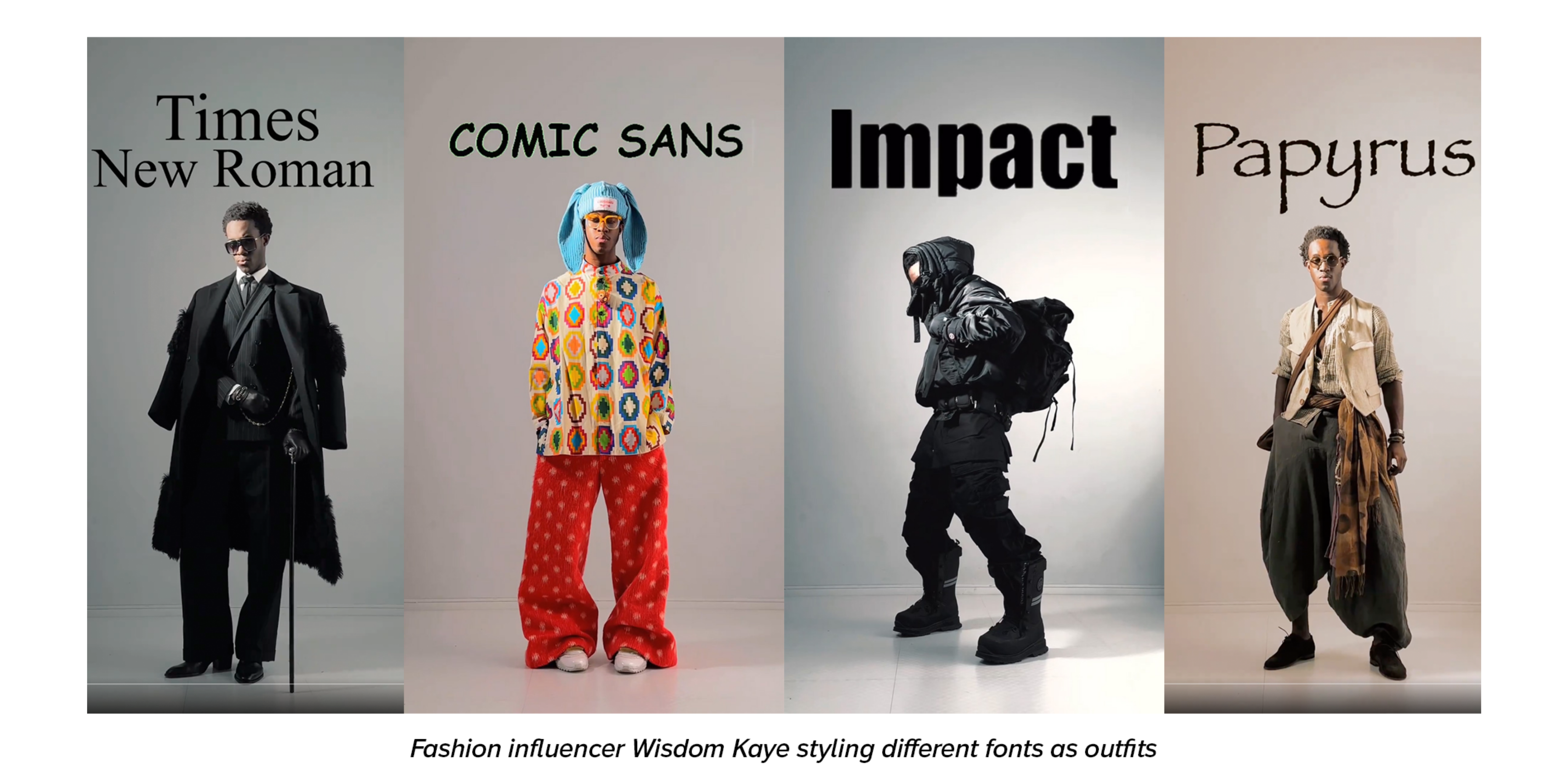
Have you ever tried to describe how White Claw tastes? One X user says it’s like “drinking TV static while someone screams the name of a fruit from another room.” Another user points out that “this tomato is so Loewe,” a whimsical idea that Jonathan Anderson, the creative designer behind Loewe, took literally and turned into a clutch bag. Then there's Wisdom Kaye, known for his genuine passion for fashion-based self-expression; he styled himself as iconic typefaces by interpreting abstract fonts like Papyrus and Comic Sans as distinct personalities.
At first, these signals might seem unrelated, but they show a desire to represent objects that defy easy classification – a shift toward difficult-to-describe experiences that people are itching to put a finger on… ones that are decidedly ineffable.
Seeing Sounds and Feeling Colors
Examples of synesthesia – or, the ability to connect different senses, like translating flavors into visual experiences, or typography into fashion – appear to be bubbling up across the creative world. The practice of blending experiences from one medium with another isn’t new. Through themed runway challenges, RuPaul’s Drag Race’s queens have mainstreamed the niche art form of translating complex ideas into high fashion and visual spectacle for years, whether it’s interpreting post-apocalyptic societal collapse, or embodying the powerful message of the Black Lives Matter movement.
Today this practice is taking on new forms, thanks to people with synesthesia fusing creativity with their condition. Creators like Sarah Kraning are translating sounds such as Chappell Roan’s latest single into intriguing colors and patterns. Another synesthete Shane Guffog’s senses are cross-wired to “hear colors,” which has led him to work with musicians to unlock and compose the musicality of his paintings. Songwriter and producer Finneas has also sparked conversations around the intersection of art and sensory perception after revealing how his synesthetic experiences influences music creation.
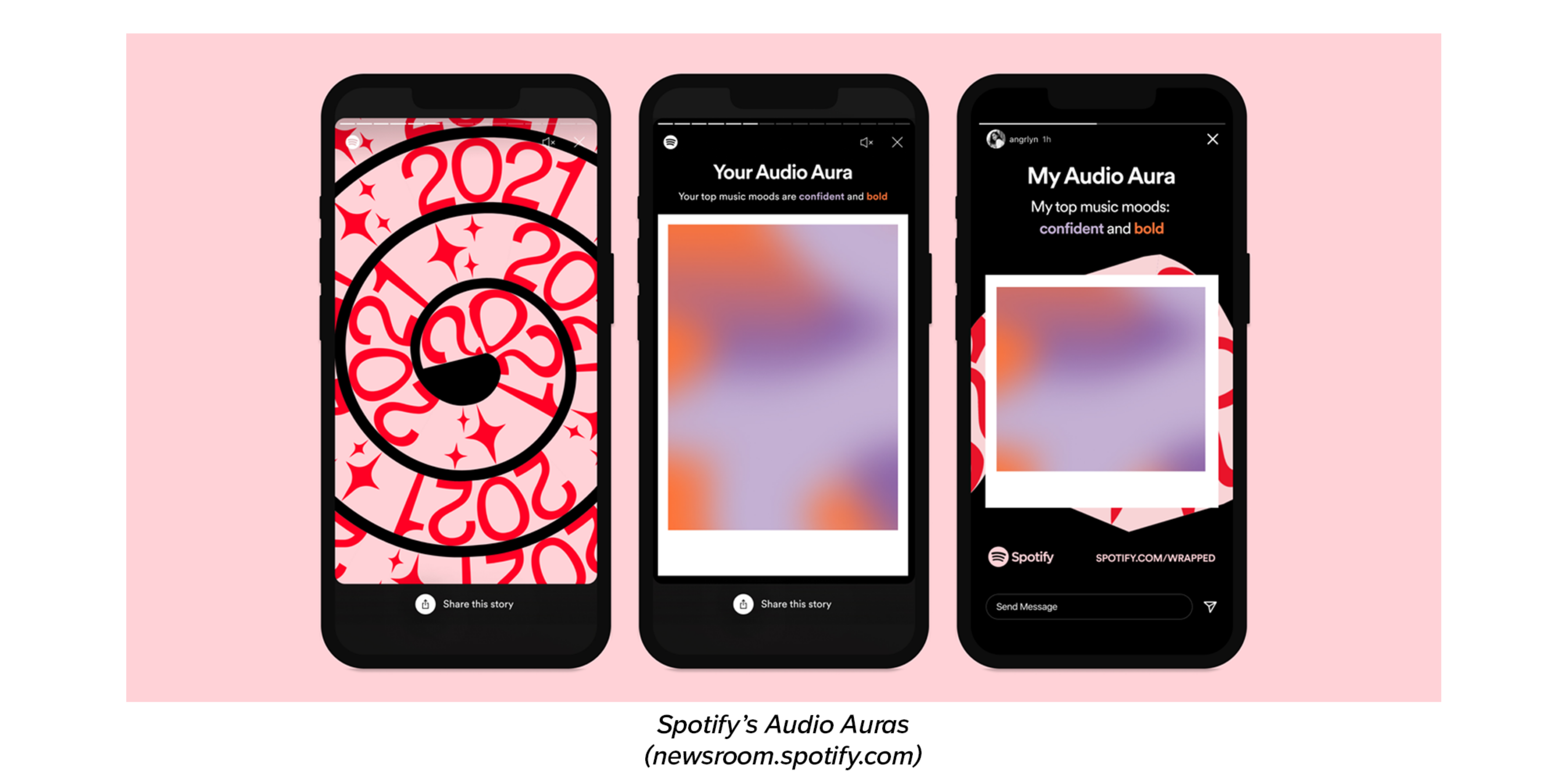
One brand that has successfully experimented with sensory crossovers is Spotify, which embraced the mix of music and visuals with its Audio Aura feature as part of its 2021 Wrapped campaign. It assigns colors to moods based on music listening habits, with help from aura reader Mystic Michaela.
Naming The Unnameable
The fascination with personal interpretation and subjective experiences is extending to all sorts of discussions, like whether certain ages feel young or old, or how people picture months in a year mentally. Even the phrase “very demure, very mindful” made popular by trans creator Jools Lebron playfully mocks the feminine-coded culture of mindfulness, encouraging people to lighten up and share their own niche interpretations of the word.
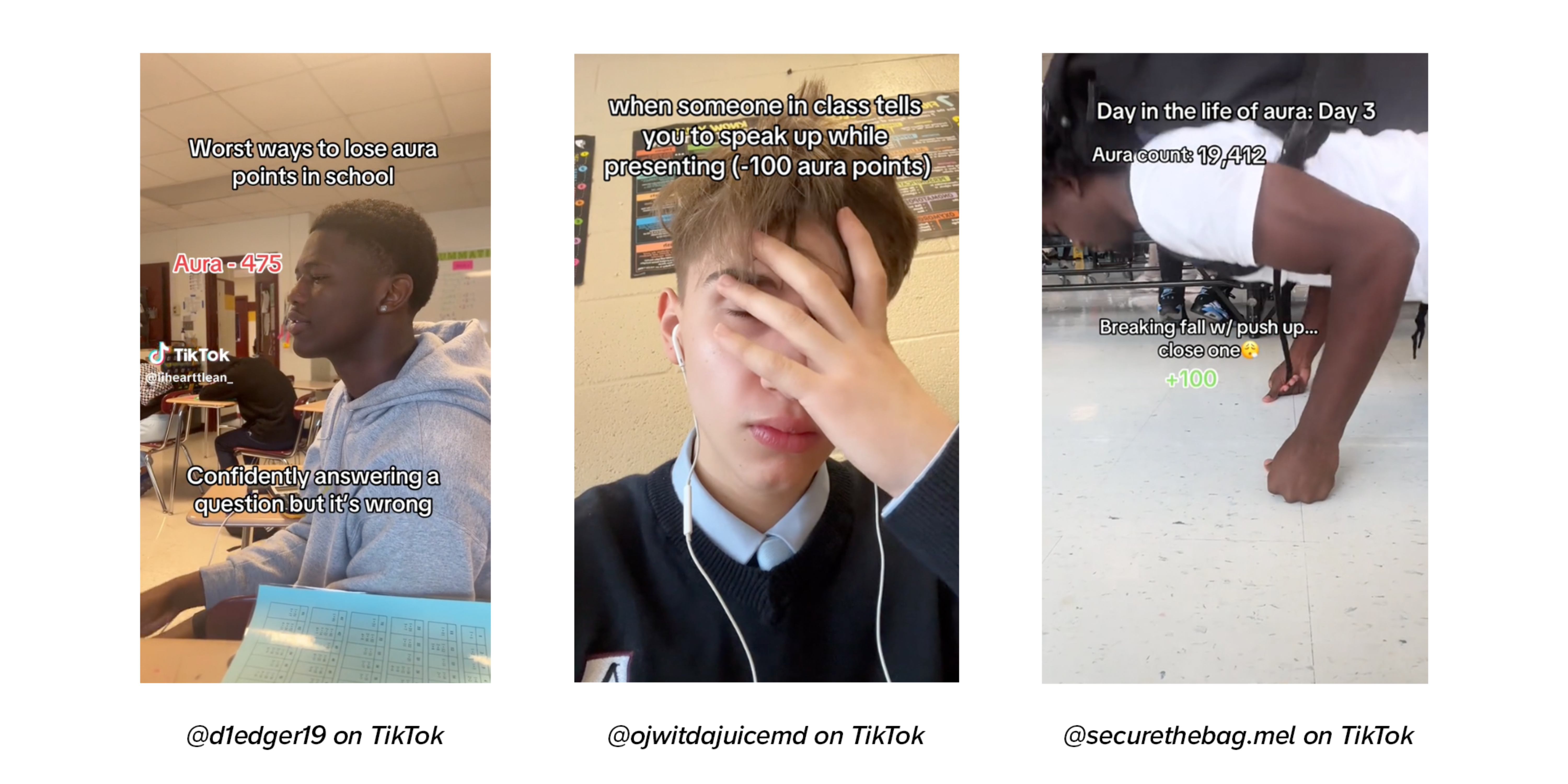
Armed with endless slang and snappy microtrends, the internet is getting really creative at “vibes diagnosis,” the practice of putting a name to otherwise uncommunicable concepts or personalities, whether it’s assigning or taking away “aura points,” or calculating someone’s rizz factor. Although the phrase “it’s giving” has been around since the ’80s, shows like RuPaul’s Drag Race have brought it new relevance to describe styles or performances with a certain vibe.
“Hybrid Creative” in the Age of AI
Underscoring this ineffable content trend are emotional nuance and intricate perception: two qualities that brands still struggle to master. One-size-fits-all slogans and clichéd taglines – now made easier to produce by AI tools –might not work as well as they used to. But AI’s arrival onto the scene has ushered in a new era of creativity – giving brands new ways to engage dynamically, generate and explore creative directions more expansively, and automate processes to help them produce, distribute, and target with ease.
But the greater the efficiency that AI infuses into everyday life, the more people seek moments that stop them in their tracks. Some estimates predict 90% of online content could be AI-generated by 2025. Consumers are increasingly discerning, ad-literate shoppers who will seek out campaigns and experiences that feel bespoke and authentic. As marketers try to break through the noise of an increasingly AI-augmented reality, the human touch still remains an inextricable part of the equation.
The Ineffable Factor
Looking ahead, AI will undoubtedly transform and complement human creativity – the humanization of AI is already underway, with OpenAI’s “strawberry” o1 model demonstrating human-like reasoning. But the challenge for brands and creatives is to harness the ineffable factor – those unique, un-promptable elements that this hybrid creativity can produce. This could involve exploring unexpected ways to create, such as fantastical product mash-ups (hot fudge sundae water, anyone?) and uncanny sensory crossovers. For instance, Mugler's Angel fragrance popup in London's Selfridges used a Synesthesia Chamber to merge light, color, sound, and scent, creating an ethereal experience for shoppers.
As generative AI becomes more prevalent and marketers feel the pressure to adapt their skills to create alongside AI, their success hinges on whether at the start of the creative process, they ask “what would AI not do?” rather than try to mimic AI’s capabilities. As discussed in our previous article about AI’s cross-category impact, AI can feel antagonistic to humanity, but, if reassessed, our relationship to it may lead us to realize that it isn’t a replacement to human thinking – it’s a gateway to amplifying what makes us human.
Paramount Advertising's Insights Hub showcases smart, always-on insights and creative inspiration to help partners thrive in the ever-evolving media landscape. Contact your Paramount Advertising sales representative to schedule a presentation, or reach out to us for additional questions.